English
 Español
 Português
 Tiếng Việt
 Türk
 简体中文

Understanding Safety Risks in Button Feeding Operations
- Mechanical movement hazards: Button feeding systems involve rotating parts, conveyors, and automated feeding mechanisms. Improper handling may cause finger entrapment or accidental contact with moving components.
- Electrical and pneumatic risks: Many machines rely on electrical controls or air pressure systems, which can pose risks if wiring or hoses are damaged.
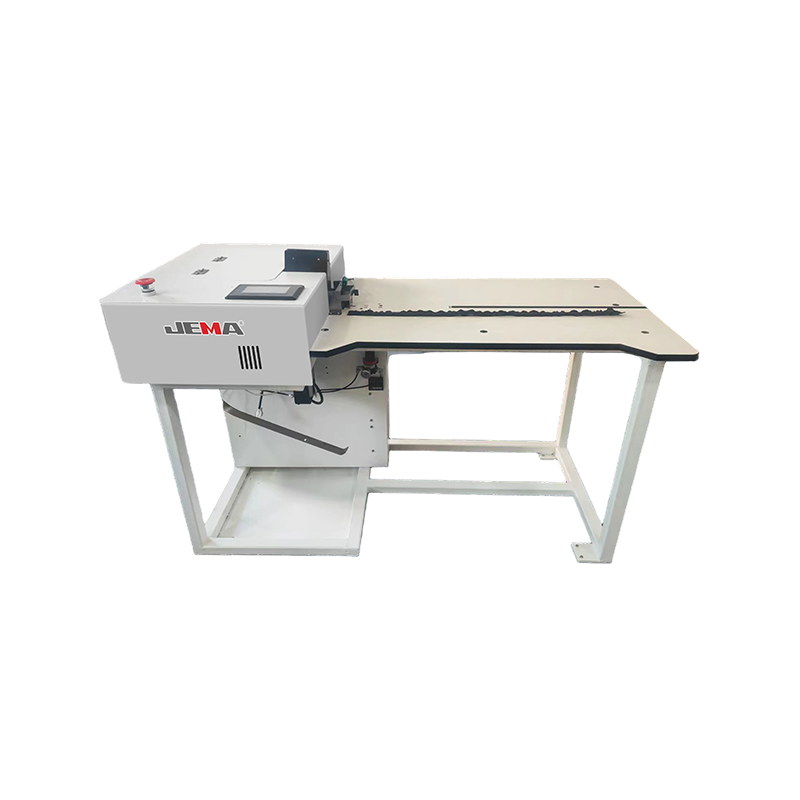
- Operational awareness: A Button Feeding Machine is designed for efficiency, but without proper safety awareness, high-speed automation can increase the likelihood of workplace accidents.
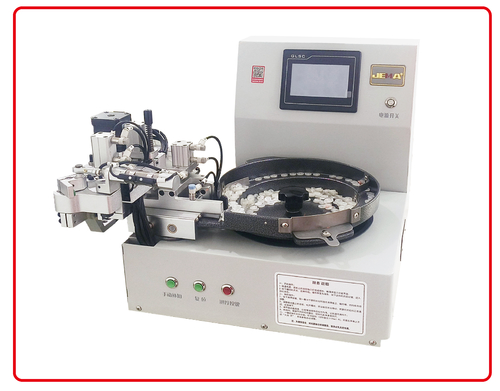
Proper Machine Installation and Workplace Setup
Stable positioning:
- Install the machine on a level and vibration-free surface.
- Ensure all bolts and mounts are securely fastened to prevent shifting during operation.
Adequate spacing:
- Leave sufficient clearance around the machine for safe operator movement.
- Avoid placing tools or materials near moving parts.
Environmental considerations:
- Maintain good lighting to allow clear visibility of controls and feeding paths.
- Keep the area clean and dry to reduce slips and electrical hazards.
Operator Training and Standard Procedures
Comprehensive training programs:
Operators should fully understand machine functions before use.
Training should include emergency shutdown procedures and daily inspection routines.
Clear operating guidelines:
Follow manufacturer-recommended startup and shutdown steps.
Avoid bypassing safety mechanisms or guards for convenience.
Responsibility assignment:
Designate trained personnel only to operate or adjust the machine.
Prevent unauthorized access, especially during operation.
Protective Features and Safety Devices
- Physical guards and covers:
Safety guards should enclose feeding wheels and moving components.
Covers must remain in place during operation to prevent accidental contact.
- Emergency stop systems:
Easily accessible emergency stop buttons allow immediate shutdown.
Regularly test emergency stops to ensure proper function.
- Sensor-based protection:
Some machines include sensors that halt operation if abnormal conditions are detected.
These features reduce risks caused by jams or misfeeds.
Safe Handling of Buttons and Materials
Proper loading techniques:
- Load buttons carefully without placing hands inside the feeding channels.
- Use designated tools or trays when adjusting button supply.
Avoid overloading:
- Excessive button loading can cause jams or unpredictable machine behavior.
- Follow recommended capacity limits to ensure smooth feeding.
Material inspection:
- Check buttons for defects that could cause blockages.
- Remove damaged or irregular buttons before feeding.
Electrical and Pneumatic Safety Measures
Routine inspection of connections:
- Check cables, plugs, and hoses regularly for wear or leaks.
- Replace damaged components immediately to prevent malfunctions.
Lockout and tagout procedures:
- Disconnect power and air supply before maintenance or cleaning.
- Clearly label machines undergoing service to prevent accidental startup.
Grounding and protection:
- Ensure proper grounding to prevent electrical shocks.
- Use appropriate circuit protection devices as recommended.
Maintenance Practices for Safe Operation
Scheduled maintenance routines:
Regular lubrication reduces friction and prevents unexpected breakdowns.
Tighten loose components to maintain mechanical stability.
Cleaning procedures:
Remove accumulated dust or button fragments that could interfere with sensors.
Clean only when the machine is powered off and isolated.
Documentation and records:
Maintain logs of inspections, repairs, and part replacements.
Proper documentation helps identify recurring issues and improve safety planning.
Personal Protective Equipment and Operator Awareness
Use of protective gear:
- Operators should wear gloves when handling buttons, but avoid loose-fitting gloves near moving parts.
- Safety glasses protect against accidental debris or fragments.
Clothing and accessories:
- Avoid loose clothing, jewelry, or long hair that could be caught in the machine.
- Secure hair and wear fitted work attire.
Maintaining focus:
- Operators should remain attentive and avoid distractions during machine operation.
- Fatigue management is essential to reduce human error.
Emergency Preparedness and Continuous Improvement
1. Emergency response planning:
Clearly display emergency procedures near the machine.
Train staff to respond quickly to jams or unexpected shutdowns.
2. Incident analysis:
Review near-miss incidents to identify potential safety improvements.
Adjust procedures or machine settings based on findings.
3. Ongoing safety culture:
Encourage operators to report safety concerns proactively.
Continuous improvement ensures long-term safety and efficiency.
Ensuring safety during the operation of a Button Feeding Machine requires a combination of proper installation, trained operators, effective safety devices, and consistent maintenance practices. By implementing clear procedures, using protective equipment, and fostering a strong safety culture, manufacturers can significantly reduce risks while maintaining productivity. Safe operation not only protects personnel but also extends equipment lifespan and ensures stable, high-quality production outcomes.